
Malawi has officially launched the implementation of Article 6.2 of the Paris Agreement, partnering with the Swiss firm Klik Foundation to reduce carbon emissions and curb deforestation. According to Nation Online, Deputy Minister of Natural Resources Chipiliro Mpinganjira praised the bilateral initiative, which will finance clean cookstoves and biogas projects to help rural communities transition away from charcoal and firewood. United Nations Development Programme Resident Representative Fenella Frost also commended Malawi for using carbon markets to advance sustainable agriculture and alternative energy solutions.
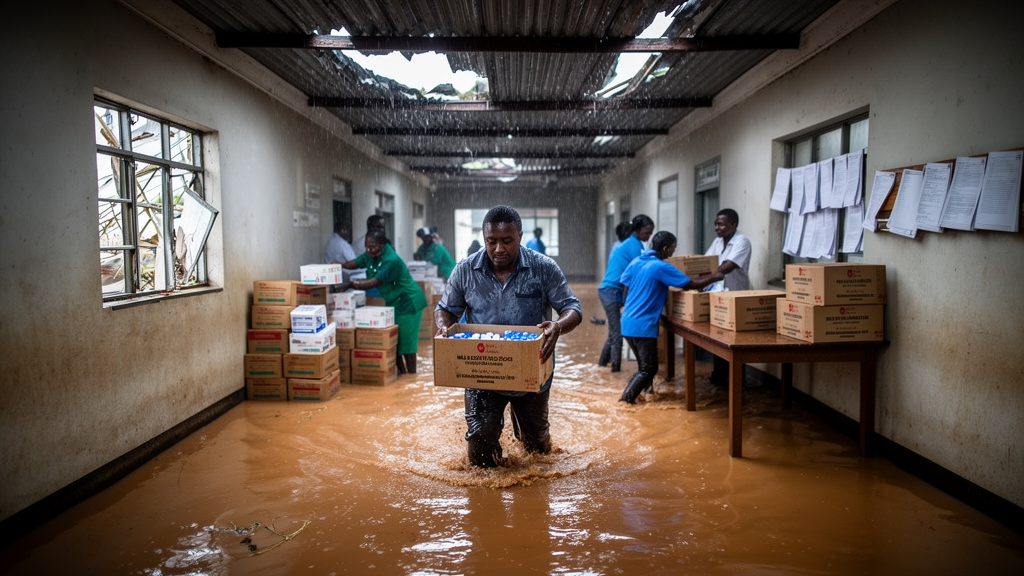
In climate research, a newly published qualitative study in BMC Public Health details the severe strain Cyclone Freddy placed on district health systems in Blantyre and Phalombe. Researchers from the University of the Western Cape documented how the extreme weather event simultaneously destroyed physical healthcare infrastructure and accelerated the spread of infectious diseases, including cholera and malaria. The findings illustrate the direct effects of climate-induced natural disasters on local health administration and emergency preparedness.
Additionally, a scoping review published in the journal Frontiers has examined the role of indigenous knowledge in drought and flood forecasting across Malawi. The research focused heavily on southern districts such as Chikwawa and Nsanje, finding that local communities continue to rely on ecological, meteorological, and celestial indicators for early warnings. However, the study noted that integrating these traditional climate adaptation methods into formal national forecasting remains constrained by environmental degradation and institutional barriers.