
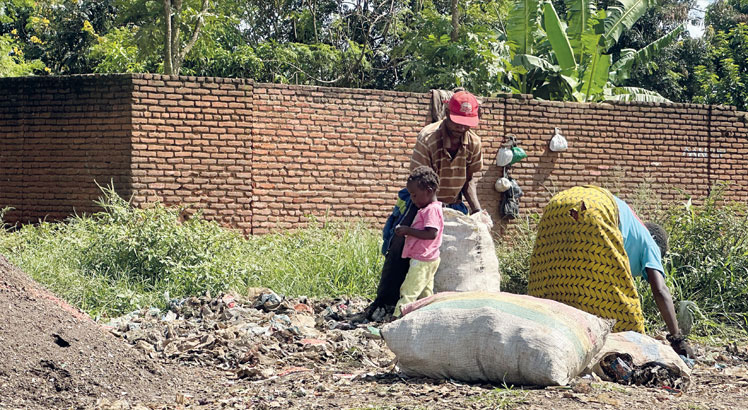
According to Nation Online, a newly launched environmental strategy warns that microplastics and plastic waste are accumulating in Lake Malawi, threatening the lake's more than 1,000 unique fish species. The strategy notes that Lake Malawi accounts for 92.6 percent of the country's total fish catch. Julius Ngoma, national coordinator for the Civil Society Network on Climate Change, stated that despite the government's 2015 ban on thin plastics, Malawi continues to struggle with avoidable plastic pollution.
Researchers and policymakers are installing new air quality monitors across Malawi to measure and combat pollution, Nation Online reports. The Malawi University of Business and Applied Sciences and the Malawi Initiative for Clean Air Solutions have placed 24 low-cost monitors across 11 districts, as well as a regulatory-grade monitor at Mzuzu University. Associate Professor Chikumbusko Kaonga warned that as Malawi pursues its industrial goals, the nation will face increased air pollution, dust storms, and deforestation.
Update: The Ministry of Natural Resources has dismissed reports that the government mismanaged $100 million from carbon credit trading, according to Nation Online. Principal Secretary Mischeck Munthali clarified that the $100 million figure refers to private investment commitments by project developers rather than government revenue. Following a recent summons by the Parliamentary Committee on Natural Resources, the ministry confirmed that only one authorised project has started transactions, remitting approximately $77,000 to the government so far.